


Do you spend a lot of time thinking about food?
You may restrict what you eat or respond to difficult emotions with binge eating, followed by guilt or shame.
A difficult relationship with food can take many forms. It is not always visible to other people, and you may be functioning well in many areas of your life while privately struggling with thoughts and behaviours around eating.
You don’t need an eating disorder diagnosis to ask for help
My disordered eating support provides a private, non-judgemental space to understand what is happening and begin building a more comfortable and sustainable relationship with food.
Behaviours around food develop for a reason
My role is to help you recognise patterns of disordered eating without judging you for them. Once we understand the purpose a behaviour has been serving, we can begin exploring other ways to respond.

Disordered eating takes many forms
A lot of people hesitate to seek disordered eating support because they don’t believe their difficulties are serious enough.
You might not identify with having an eating disorder, but you know that food doesn’t feel straightforward or comfortable.
If food dominates your thoughts, affects how you feel about yourself or stops you from participating fully in everyday life, that is enough to start a conversation.
Your personal path to a positive food relationship
The aim is for food to take up less mental and emotional space, giving you more freedom and confidence without expecting a “perfect” relationship with food.

Progress is rarely a straight line
Progress for you may mean eating more regularly, relying less on rigid rules and feeling more comfortable when meals or routines change.
There will be times when progress feels easier and others when old thoughts or behaviours become louder, particularly during stressful periods. We can slow down, pause or revisit an earlier step when needed.

Working together
We’ll begin with an online consultation lasting up to 1½ to 2 hours, followed by weekly 45-minute sessions, personalised recommendations and unlimited weekday messaging support.
We’ll build trust, explore what’s driving your relationship with food and make changes at a realistic pace, reviewing and adjusting your support as needed.
Disordered eating support costs £425 per month, with a recommended minimum of three months.
At the end of that period, we’ll review your progress and decide whether you’re ready to continue independently or would benefit from ongoing support.
Working safely with other healthcare professionals
My role is to support nutrition, nutritional rehabilitation and behavioural change. Nutritional therapy is not a replacement for medical or psychological care.
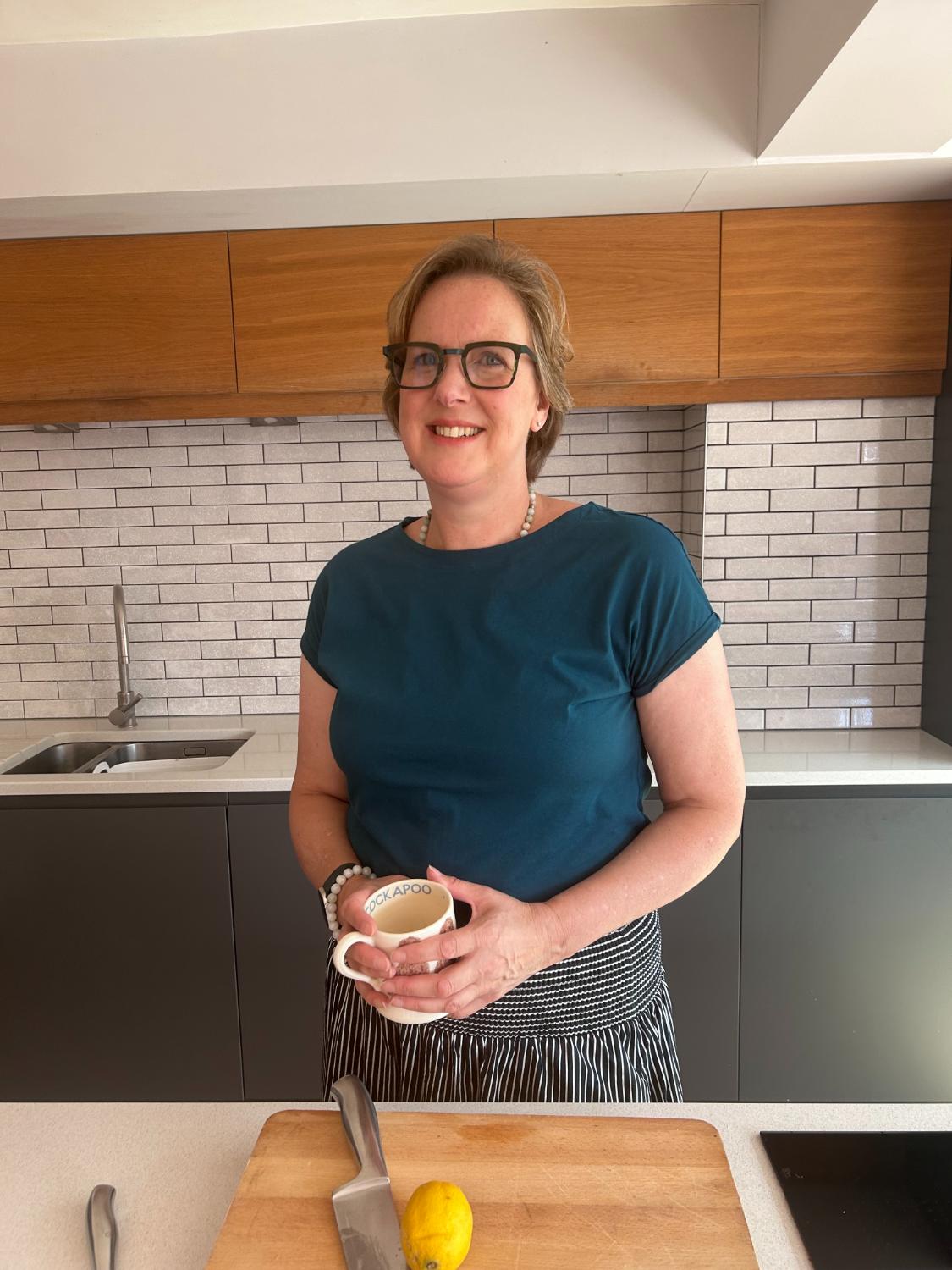
I am a BANT-registered nutritional therapist with five years’ experience
I have completed specialist post-qualification training in eating disorders and disordered eating through The Eating Clinic and receive ongoing clinical supervision.
If an eating disorder is suspected or diagnosed, or I have concerns about your physical or psychological wellbeing, you may need support from your GP or other appropriately qualified healthcare professionals alongside our work.
Disordered eating, digestive health and GLP-1 medication
Your physical health, relationship with food and wider circumstances can all affect one another.

A holistic approach to your wellbeing
If you use a GLP-1 medication, a reduced appetite may change how much you eat without resolving the beliefs and behaviours surrounding food.
We will consider the bigger picture, helping you meet your nutritional needs while paying attention to your thoughts, habits and relationship with eating.
If relevant, you can also read about my digestive health support and GLP-1 support.
Ready to talk about your relationship with food?
You don’t need to know exactly what’s wrong or how to describe it before we speak.
The first small step is a conversation to explore what has been happening for you and how you would like to feel. From there we can figure out whether working together is the right next step.
Please get in touch to arrange a chat.